Structure
Mobile Cart Supplier in Malaysia
Mar 4 2026
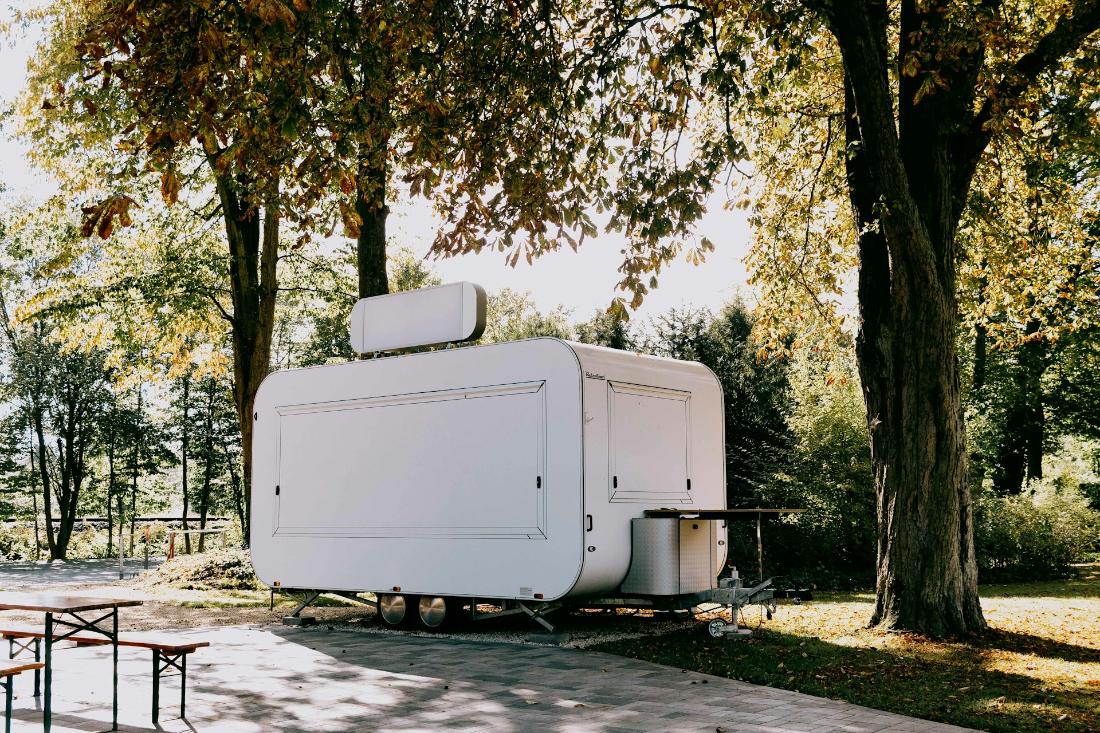
In the bustling landscape of Malaysian commerce, a quiet revolution is taking place on wheels. From the fragrant steam of a kopi cart at a dawn market to the sleek, branded kiosk gliding through an airport terminal, mobile carts have become the unsung heroes of entrepreneurial agility. They represent the perfect fusion of mobility and commerce, allowing businesses to go where their customers are, adapt to changing foot traffic, and test new markets with minimal risk. Behind every successful mobile cart operation stands a critical partner: the specialist mobile cart supplier in Malaysia. This professional is far more than a fabricator of wheeled structures; they are a strategic consultant in spatial efficiency, a master of material durability, and a collaborator who understands that a cart must not only look appealing but withstand the rigours of constant movement, tropical weather, and the daily demands of active commerce. Their craft is essential in enabling the dreams of hawkers, retailers, and service providers across the nation.
The evolution of the mobile cart in Malaysia reflects broader shifts in consumer behaviour and retail strategy. In an era where foot traffic patterns are unpredictable and the cost of permanent brick-and-mortar space continues to rise, mobility offers a powerful alternative . A well-designed cart can be deployed to capture lunchtime crowds in a business district, relocate for weekend markets, or establish a presence at major events and festivals. This flexibility is particularly valuable in a nation with a vibrant street food culture, bustling night markets (pasar malam), and a growing appetite for experiential retail in shopping malls. The modern mobile cart is no longer a makeshift wooden stall; it is a sophisticated, branded, and highly functional piece of commercial equipment engineered for maximum impact in minimal space .
The journey with a mobile cart supplier begins with a fundamental understanding of the client's business model and operational reality. A skilled supplier does not simply offer a catalogue of pre-designed carts; they engage in a deep consultation to uncover the specific needs of the venture. What products will be sold, and what are their spatial, temperature, and display requirements? Will the cart operate primarily indoors in air-conditioned malls, or will it face the full force of Malaysia's tropical sun and monsoon rains? How frequently will it need to be moved, and what are the logistical constraints of transportation and storage? For food and beverage operators, questions of hygiene, water supply, waste management, and compliance with Ministry of Health (MOH) regulations become paramount. This investigative dialogue ensures that every subsequent design decision is rooted in practical reality, resulting in a cart that is not just visually appealing but truly fit for its purpose.
The evolution of the mobile cart in Malaysia reflects broader shifts in consumer behaviour and retail strategy. In an era where foot traffic patterns are unpredictable and the cost of permanent brick-and-mortar space continues to rise, mobility offers a powerful alternative . A well-designed cart can be deployed to capture lunchtime crowds in a business district, relocate for weekend markets, or establish a presence at major events and festivals. This flexibility is particularly valuable in a nation with a vibrant street food culture, bustling night markets (pasar malam), and a growing appetite for experiential retail in shopping malls. The modern mobile cart is no longer a makeshift wooden stall; it is a sophisticated, branded, and highly functional piece of commercial equipment engineered for maximum impact in minimal space .
The journey with a mobile cart supplier begins with a fundamental understanding of the client's business model and operational reality. A skilled supplier does not simply offer a catalogue of pre-designed carts; they engage in a deep consultation to uncover the specific needs of the venture. What products will be sold, and what are their spatial, temperature, and display requirements? Will the cart operate primarily indoors in air-conditioned malls, or will it face the full force of Malaysia's tropical sun and monsoon rains? How frequently will it need to be moved, and what are the logistical constraints of transportation and storage? For food and beverage operators, questions of hygiene, water supply, waste management, and compliance with Ministry of Health (MOH) regulations become paramount. This investigative dialogue ensures that every subsequent design decision is rooted in practical reality, resulting in a cart that is not just visually appealing but truly fit for its purpose.
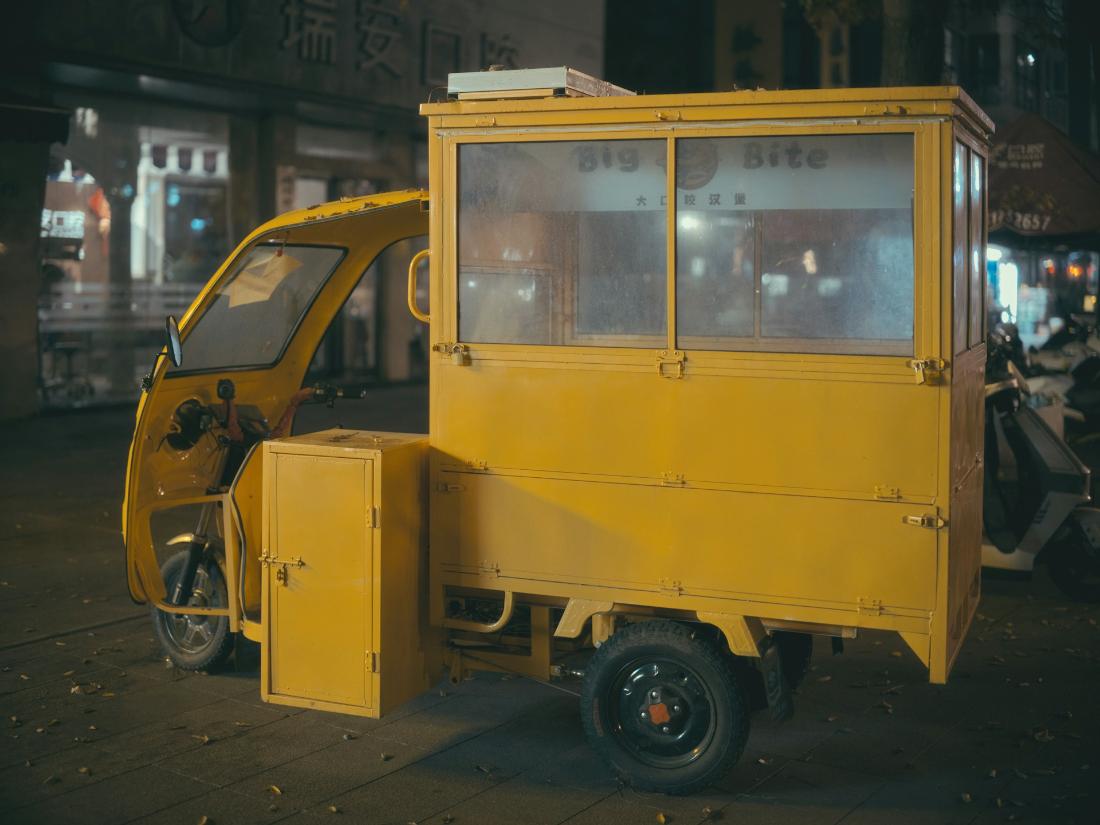
The selection of materials for a mobile cart in Malaysia is a science of balancing aesthetics, weight, and durability. The tropical climate is unforgiving, and materials must be chosen to withstand humidity, UV exposure, and occasional drenching rains without deteriorating. Stainless steel is a cornerstone material for food carts, prized for its hygiene, corrosion resistance, and ease of cleaning. For structural frames, powder-coated aluminium offers an excellent strength-to-weight ratio and inherent rust resistance, making it ideal for carts that need to be moved frequently. The choice of exterior finishes is vast, from durable laminates and high-pressure decorative panels to sleek acrylics and even wood veneers for a warmer aesthetic. A knowledgeable supplier guides clients through these options, explaining the trade-offs between weight, durability, maintenance requirements, and visual appeal. They understand that a cart operating on a mall's polished marble floor has different material needs than one traversing the uneven asphalt of a night market.
The internal configuration of a mobile cart is an exercise in micro-spatial efficiency, where every centimetre must be optimised. A skilled supplier designs layouts that create a logical workflow for the operator, minimising unnecessary movement and maximising productivity within the confined space. For food carts, this means carefully planned zones for food preparation, cooking, assembly, and serving, all while maintaining strict separation between raw and cooked ingredients to meet hygiene standards. Storage is integrated into every available cavity, with drawers, shelves, and cabinets designed to hold specific supplies securely during transport. Integrated utilities are a critical feature: plumbed sinks with fresh and waste water tanks, ventilation and exhaust systems for cooking carts, and robust electrical systems with sufficient amperage to power refrigerators, blenders, and other equipment. The supplier's expertise in integrating these complex systems into a compact, mobile package is what transforms a simple cart into a fully self-contained commercial operation.
The exterior design of a cart is its most powerful marketing tool, and a specialist supplier works as a brand partner to create a compelling visual presence. In the crowded environment of a mall concourse or market, a cart must command attention instantly. This involves thoughtful consideration of form, colour, and lighting. The supplier can fabricate custom shapes and silhouettes that break away from standard boxy designs, creating a memorable architectural feature. Integrated LED lighting is used to highlight products, create ambient glow, and ensure the cart remains visible and inviting even in the low-light conditions of evening markets. Signage is seamlessly incorporated, with backlit panels, dimensional lettering, or digital screens displaying menus and promotions. The supplier ensures that every visual element aligns with the client's brand identity, creating a cohesive and professional appearance that builds customer trust and recognition. For businesses operating multiple carts across different locations, this consistency becomes a powerful tool for brand building.
The internal configuration of a mobile cart is an exercise in micro-spatial efficiency, where every centimetre must be optimised. A skilled supplier designs layouts that create a logical workflow for the operator, minimising unnecessary movement and maximising productivity within the confined space. For food carts, this means carefully planned zones for food preparation, cooking, assembly, and serving, all while maintaining strict separation between raw and cooked ingredients to meet hygiene standards. Storage is integrated into every available cavity, with drawers, shelves, and cabinets designed to hold specific supplies securely during transport. Integrated utilities are a critical feature: plumbed sinks with fresh and waste water tanks, ventilation and exhaust systems for cooking carts, and robust electrical systems with sufficient amperage to power refrigerators, blenders, and other equipment. The supplier's expertise in integrating these complex systems into a compact, mobile package is what transforms a simple cart into a fully self-contained commercial operation.
The exterior design of a cart is its most powerful marketing tool, and a specialist supplier works as a brand partner to create a compelling visual presence. In the crowded environment of a mall concourse or market, a cart must command attention instantly. This involves thoughtful consideration of form, colour, and lighting. The supplier can fabricate custom shapes and silhouettes that break away from standard boxy designs, creating a memorable architectural feature. Integrated LED lighting is used to highlight products, create ambient glow, and ensure the cart remains visible and inviting even in the low-light conditions of evening markets. Signage is seamlessly incorporated, with backlit panels, dimensional lettering, or digital screens displaying menus and promotions. The supplier ensures that every visual element aligns with the client's brand identity, creating a cohesive and professional appearance that builds customer trust and recognition. For businesses operating multiple carts across different locations, this consistency becomes a powerful tool for brand building.
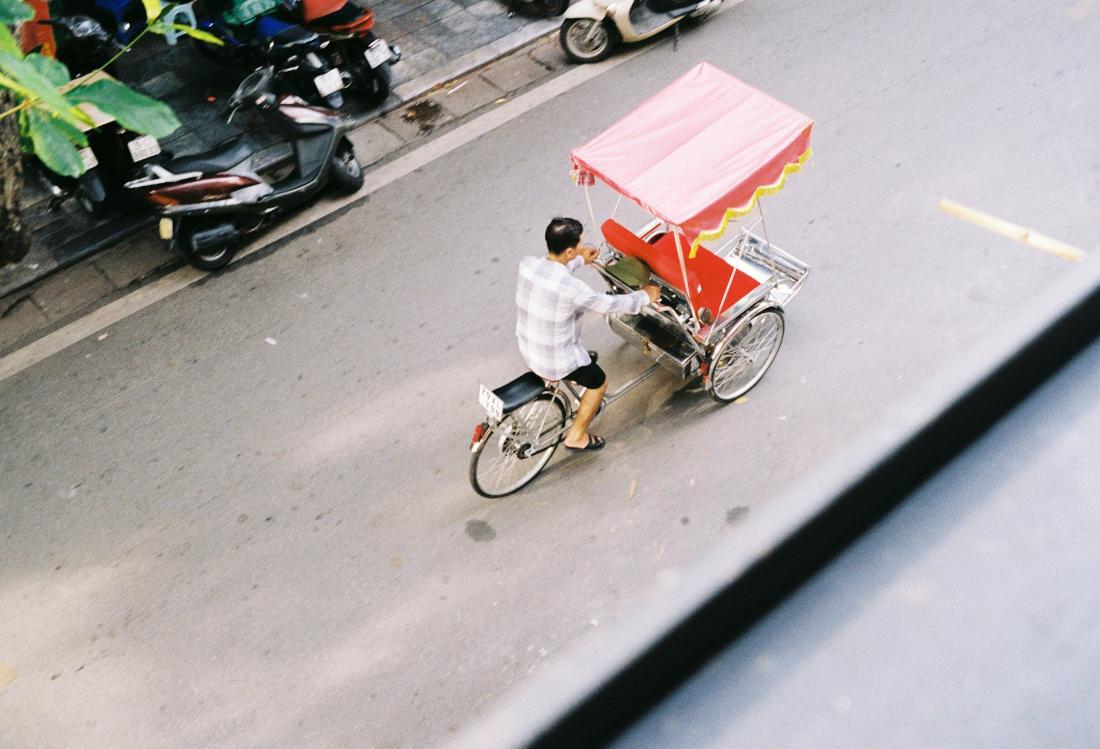
Mobility itself is a critical engineering consideration, and a specialist supplier brings deep expertise in the mechanics of movement. The choice of wheels and castors is not an afterthought; it is a decision that affects the cart's manoeuvrability, stability, and longevity. For indoor use on smooth floors, the supplier may specify quiet, non-marking rubber castors with locking mechanisms for stationary operation. For outdoor or rougher terrain, larger pneumatic or solid rubber wheels with robust bearings are required. The cart's weight distribution is carefully calculated to ensure it remains stable during movement and does not tip when corners are turned. For carts that need to be transported by vehicle, the supplier may design them with detachable components or folding mechanisms that allow for compact storage and easy loading. The inclusion of ergonomic push handles, braking systems, and even tow hitches for vehicle towing demonstrates a holistic approach to mobility that considers the entire journey of the cart, not just its operation at the sales location.
The regulatory landscape for mobile carts in Malaysia is complex and varies depending on the location and type of operation. A professional supplier serves as an invaluable guide through this maze, ensuring that carts are designed and built in compliance with all relevant standards. For food carts, this means adherence to MOH requirements for food handling surfaces, waste management, and water systems. For operation in shopping malls, the cart must meet the mall management's specific guidelines for dimensions, materials, fire safety, and electrical installations. If the cart will be used on public streets or in council-managed markets, local authority (Pihak Berkuasa Tempatan) regulations may apply. A seasoned supplier has experience navigating these requirements and can advise clients on necessary permits and approvals. They may also provide documentation, such as engineering certifications or material safety data sheets, that assist clients in obtaining the required licences. This regulatory expertise protects clients from costly fines, operational shutdowns, or the rejection of their cart by venue management.
The rise of technology is transforming the capabilities of mobile carts, and forward-thinking suppliers are at the forefront of this integration. In an era of digital payments and smart retail, a modern cart can be equipped with sophisticated point-of-sale (POS) systems, including card terminals, receipt printers, and inventory management tablets, all discreetly integrated into the design . For retail carts, interactive touchscreens can allow customers to browse product information or customise orders. Some suppliers are even exploring the integration of IoT sensors that monitor equipment performance, track cart location, or alert operators to maintenance needs. The emergence of smart shopping carts in the retail sector, equipped with barcode scanners and self-checkout capabilities, demonstrates the potential for technology to revolutionise even the most traditional mobile commerce formats . A supplier who embraces these technological possibilities can offer clients a significant competitive advantage, creating carts that are not just mobile sales points but intelligent nodes in a connected retail ecosystem.
The regulatory landscape for mobile carts in Malaysia is complex and varies depending on the location and type of operation. A professional supplier serves as an invaluable guide through this maze, ensuring that carts are designed and built in compliance with all relevant standards. For food carts, this means adherence to MOH requirements for food handling surfaces, waste management, and water systems. For operation in shopping malls, the cart must meet the mall management's specific guidelines for dimensions, materials, fire safety, and electrical installations. If the cart will be used on public streets or in council-managed markets, local authority (Pihak Berkuasa Tempatan) regulations may apply. A seasoned supplier has experience navigating these requirements and can advise clients on necessary permits and approvals. They may also provide documentation, such as engineering certifications or material safety data sheets, that assist clients in obtaining the required licences. This regulatory expertise protects clients from costly fines, operational shutdowns, or the rejection of their cart by venue management.
The rise of technology is transforming the capabilities of mobile carts, and forward-thinking suppliers are at the forefront of this integration. In an era of digital payments and smart retail, a modern cart can be equipped with sophisticated point-of-sale (POS) systems, including card terminals, receipt printers, and inventory management tablets, all discreetly integrated into the design . For retail carts, interactive touchscreens can allow customers to browse product information or customise orders. Some suppliers are even exploring the integration of IoT sensors that monitor equipment performance, track cart location, or alert operators to maintenance needs. The emergence of smart shopping carts in the retail sector, equipped with barcode scanners and self-checkout capabilities, demonstrates the potential for technology to revolutionise even the most traditional mobile commerce formats . A supplier who embraces these technological possibilities can offer clients a significant competitive advantage, creating carts that are not just mobile sales points but intelligent nodes in a connected retail ecosystem.
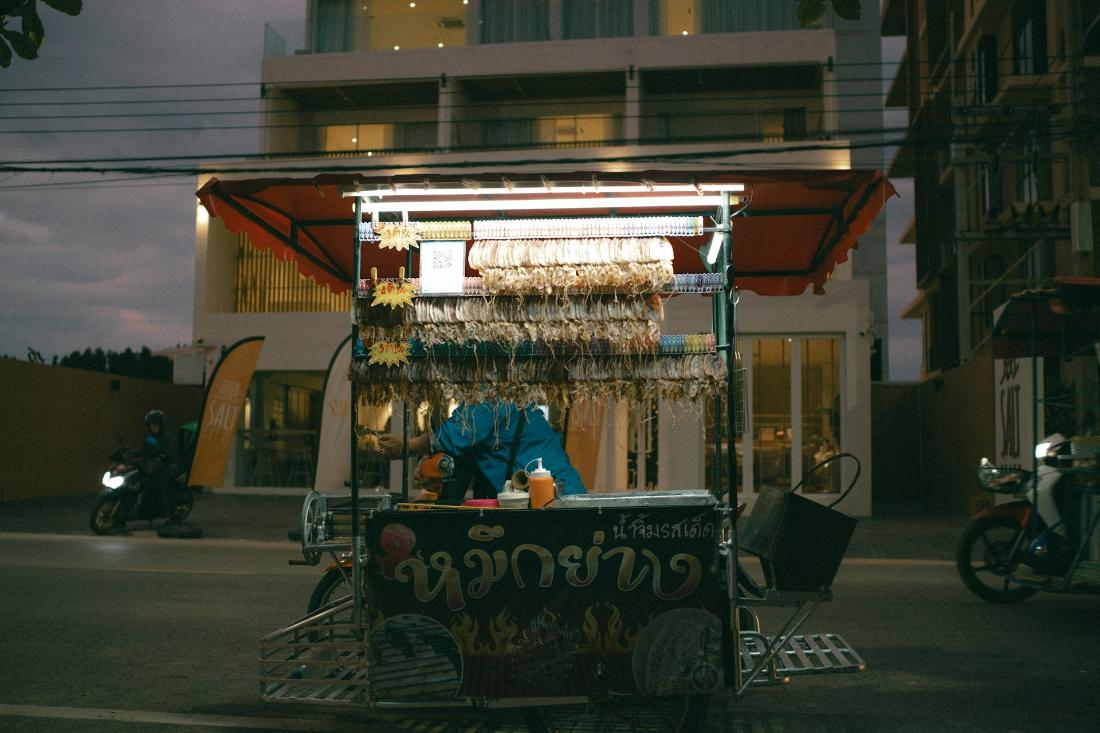
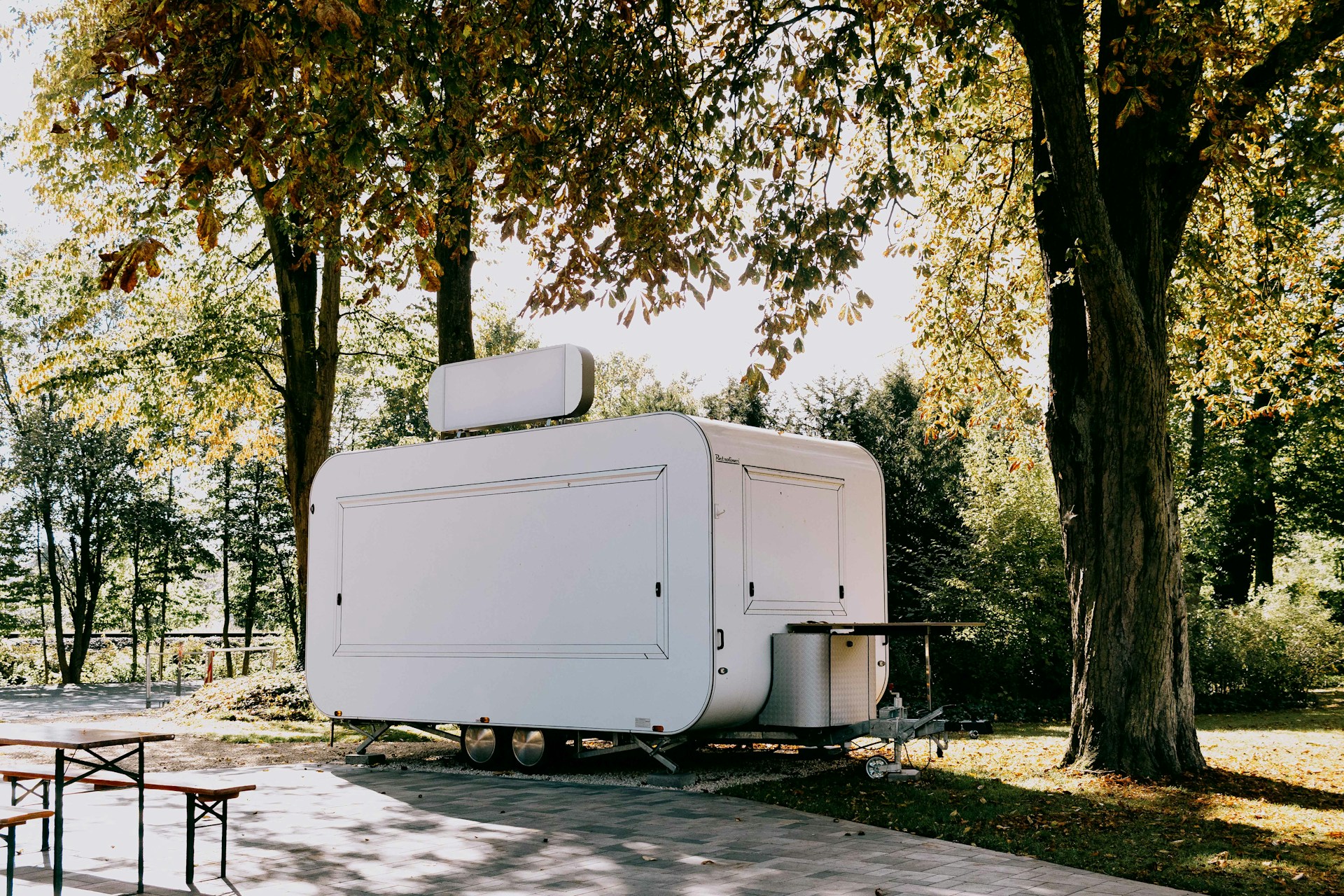
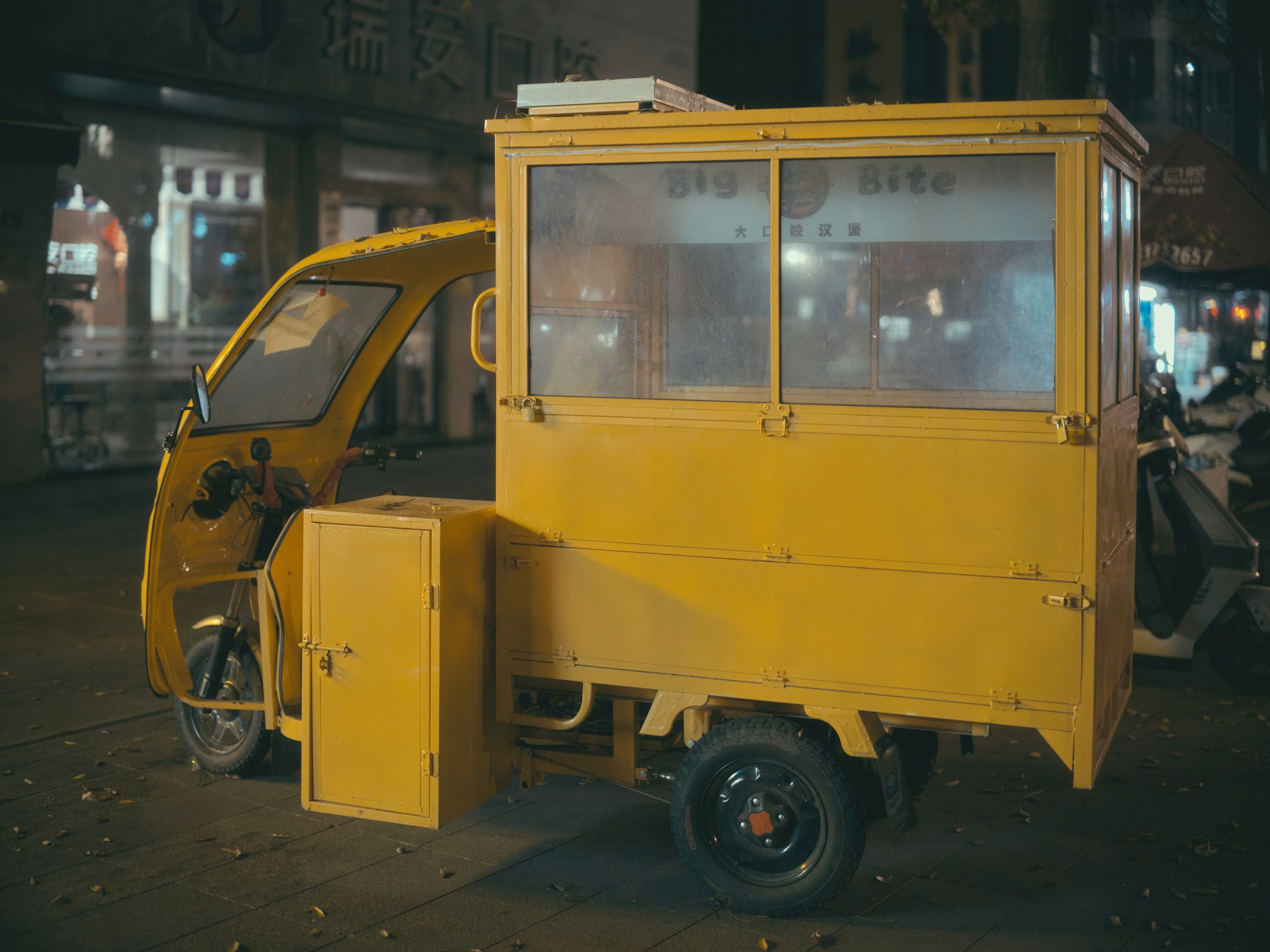
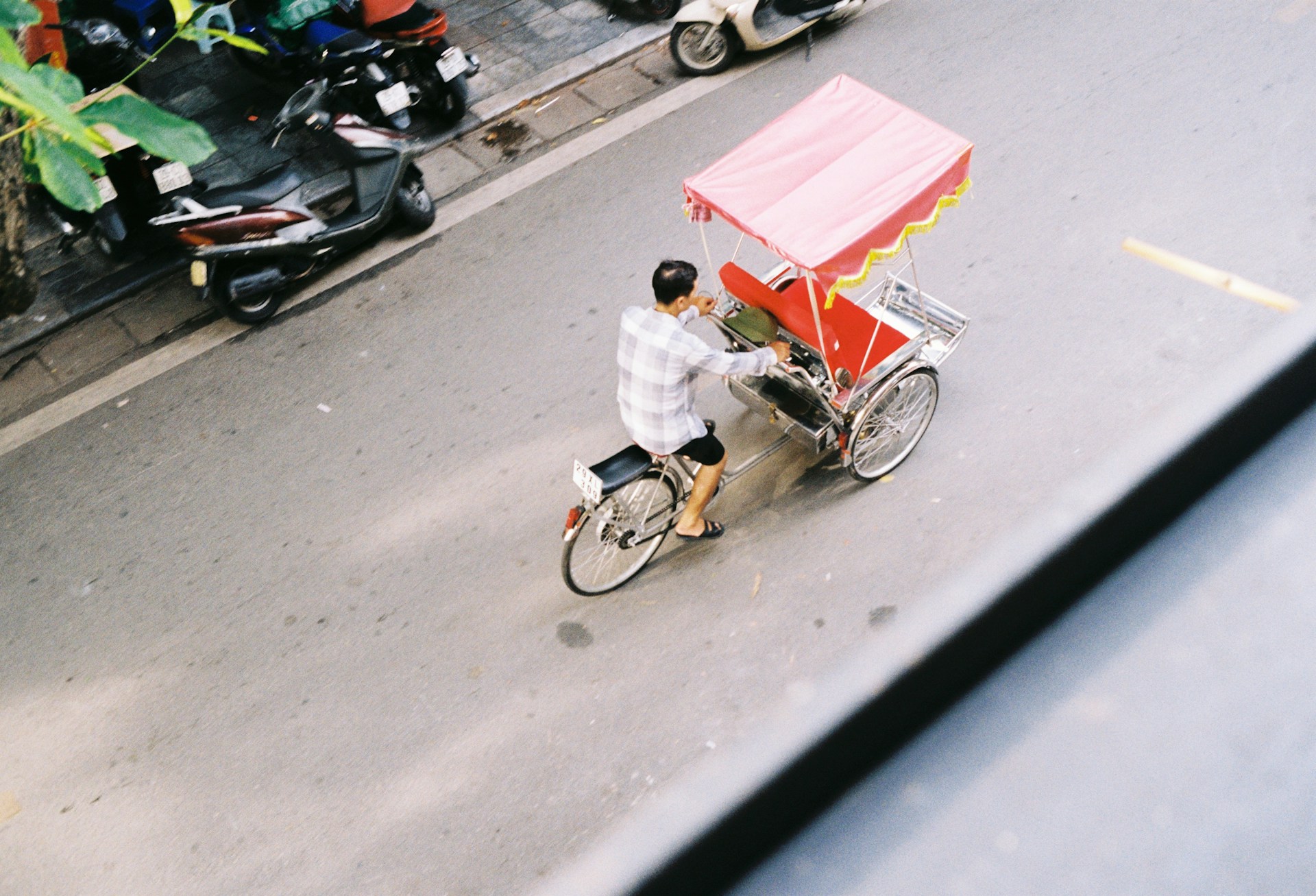
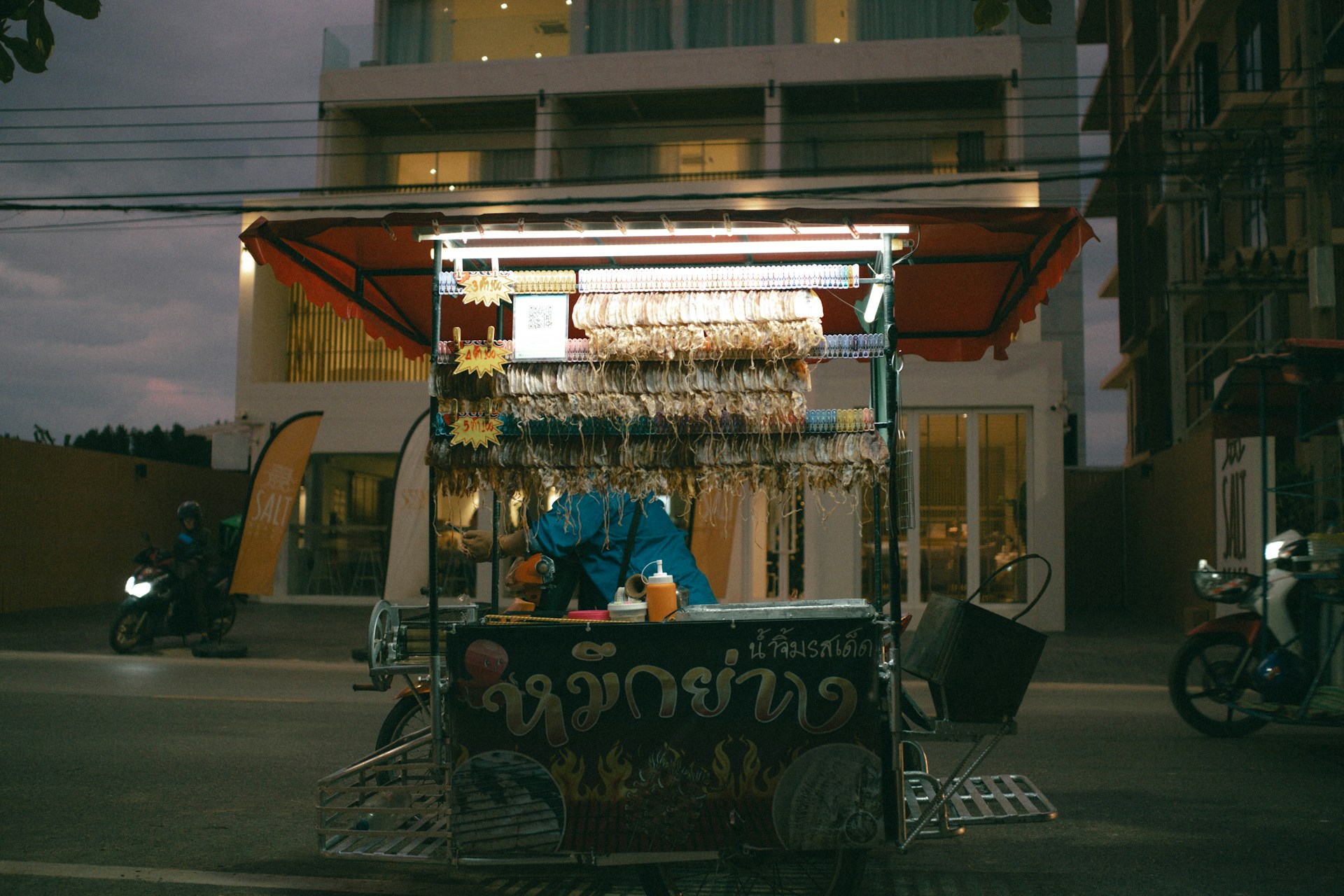
The applications for mobile carts in Malaysia are remarkably diverse, and a specialist supplier must be adaptable to a wide range of industries. In the food and beverage sector, carts range from simple hot dog stands to fully equipped coffee carts with espresso machines and refrigerated displays, to elaborate teh tarik stations that become performance pieces. In retail, carts showcase everything from fashion accessories and handcrafted jewellery to mobile phone accessories and premium confectionery. Service-based carts are also emerging, offering everything from mobile phone repairs to beauty services like manicures. In the corporate world, branded promotional carts are used for product sampling at events and trade shows. This diversity demands that a supplier possess a broad knowledge base and a flexible design approach, capable of translating vastly different functional requirements into coherent, effective mobile solutions.
Ultimately, partnering with a professional mobile cart supplier in Malaysia is an investment in business agility, brand presence, and operational reliability. A poorly constructed cart becomes a constant source of frustration: wheels that jam, surfaces that deteriorate, electrical systems that fail, and a appearance that repels rather than attracts customers. A professionally designed and fabricated cart, in contrast, functions as a reliable business partner. It operates smoothly day after day, presents the brand in its best light, and allows the entrepreneur to focus on what matters most: serving customers and building their business. The supplier provides more than a product; they deliver a turnkey solution, from concept and design through fabrication, compliance guidance, and ongoing support. In the dynamic world of Malaysian commerce, where success often belongs to the agile and the adaptable, the mobile cart supplier is the essential partner in putting businesses on wheels and setting them in motion towards growth.
Ultimately, partnering with a professional mobile cart supplier in Malaysia is an investment in business agility, brand presence, and operational reliability. A poorly constructed cart becomes a constant source of frustration: wheels that jam, surfaces that deteriorate, electrical systems that fail, and a appearance that repels rather than attracts customers. A professionally designed and fabricated cart, in contrast, functions as a reliable business partner. It operates smoothly day after day, presents the brand in its best light, and allows the entrepreneur to focus on what matters most: serving customers and building their business. The supplier provides more than a product; they deliver a turnkey solution, from concept and design through fabrication, compliance guidance, and ongoing support. In the dynamic world of Malaysian commerce, where success often belongs to the agile and the adaptable, the mobile cart supplier is the essential partner in putting businesses on wheels and setting them in motion towards growth.